
Why Starting New Habits is So Hard (And Why Most Advice Gets It Wrong)
Every January, millions of people decide to start meditating, exercising, drinking more water, journalling, or reading more. By February, most of them have quietly stopped. Not because they lack discipline, and not because the habits themselves are too demanding. Usually it is because they tried to bolt a new behaviour onto their life with nothing to anchor it to.
A new habit needs something to trigger it. Without a trigger, even habits you genuinely want to build require a small act of willpower every single time. And willpower, as anyone who has been tired, stressed, or busy knows, is not a reliable resource. It runs out. It fluctuates. It disappears entirely on the days when you need it most.
Habit stacking solves this by using your existing routines as triggers. Instead of relying on remembering to do something, you attach the new behaviour directly to something you already do without thinking. The existing habit becomes the cue. The new behaviour follows automatically.
The core formula: After I do [existing habit], I will [new habit]. That sentence is the entire framework. Simple to say, surprisingly powerful in practice.
Why Habit Stacking Actually Works
The reason habit stacking is so effective comes down to how your brain builds and retrieves habits in the first place. When you repeat a sequence of behaviours enough times, the brain encodes them as a single chunk. You stop consciously deciding to do each step and the whole sequence runs on autopilot.
This is why you can drive a familiar route while thinking about something else entirely, or why your fingers know a password your conscious mind has almost forgotten. Repeated sequences become automatic.
When you attach a new behaviour to the end of an existing chunk, you benefit from the momentum of that entire sequence. The existing habit has been firing reliably for months or years. Its trigger is deeply grooved. By placing your new habit immediately after it, you are essentially drafting off that neural momentum. The existing habit ends, and before your brain has time to wander off, the new one begins.
This is a fundamentally different approach from setting a reminder on your phone or trying to remember to meditate at 7pm. It leverages architecture that is already in place rather than asking your brain to build something new from scratch every single day.
How to Build a Habit Stack That Actually Holds
Step 1: Map your existing habits
Before you can stack anything, you need to know what is already there. Spend a day or two noticing your automatic behaviours. Most people are surprised by how many they have. Making coffee, brushing teeth, sitting down at a desk, eating lunch, locking the front door, putting the kettle on in the evening. These are all reliable daily anchors.
Write them down. You are looking for habits that happen at roughly the same time each day, that you do without fail, and that have a clear beginning and end. Vague anchors like "in the morning" tend not to work as well as specific ones like "after I start the coffee machine."
Step 2: Choose one new habit to attach
This is where most people go wrong. They decide to stack five new habits onto their morning routine at once and then wonder why it collapsed after three days. Start with one. A single new behaviour attached to a reliable anchor. Give it three to four weeks to solidify before adding anything else.
The new habit should also be achievable in the same context as the anchor. If your anchor is pouring your morning coffee, a two-minute meditation is a natural stack. Driving to the gym is not, because it requires a completely different environment and a much larger time commitment.
Step 3: Make the stack specific and immediate
Vague stacks fail. "After breakfast, I will be healthier" is not a habit stack. "After I put my breakfast bowl in the sink, I will take my vitamins" is. The more specific the anchor and the more immediately the new habit follows, the more reliable the stack becomes.
Immediacy matters because there is a window between one behaviour ending and the next beginning where your attention can be captured by something else. The smaller that gap, the less opportunity there is for distraction to get in.
Real Habit Stacks That Work in Everyday Life
After I start the coffee machine, I will do 10 push-ups while it brews.
After I sit down at my desk, I will write three things I want to accomplish today before opening email.
After I eat lunch, I will go for a 10-minute walk before returning to my desk.
After I brush my teeth, I will read for 15 minutes before putting my phone in the other room.
After I sit down on the sofa, I will open my tracking app and log what I did today before turning on the TV.
After I get on the train, I will put on a podcast or audiobook instead of scrolling social media.
Notice that none of these are dramatic lifestyle overhauls. They are small, specific additions to things that already happen. That is the point. Habit stacking works because it does not ask your life to accommodate a new habit. It finds space for the new habit inside the life you already have.
Common Reasons Habit Stacks Break Down
The anchor is not reliable enough
Some habits feel consistent but actually vary quite a bit day to day. If you work from home three days a week and commute two days, your morning routine on each type of day looks quite different. A stack built around your commute will not fire on home days, and vice versa. Make sure your anchor happens virtually every day without exception.
The stack is too long
Once you know habit stacking works, it is tempting to chain six or seven things together. And technically, this can work for very small habits. But longer stacks have more points of failure. If one link breaks, the rest of the chain often goes with it. Keep your chains short, especially early on. Two or three linked habits is a strong stack. Eight is fragile.
The new habit is too ambitious
A 10-minute meditation stacks more easily than a 45-minute gym session. Not because the gym session is less worthwhile, but because a large time commitment after a small trigger creates a mismatch that your brain notices. The resistance is proportional to the ask. Start with habits small enough that you have essentially no excuse not to do them, then grow from there.

Building Multiple Stacks Over Time
Once your first habit stack has been running reliably for four to six weeks, you have two options. You can add a new habit to the existing stack, or you can build a completely new stack around a different anchor. Both work, and the right choice depends on what you are trying to build.
Adding to an existing stack makes sense when the new habit fits naturally in the same time and place as the existing one. Building a new stack around a different anchor makes sense when you want to seed habits at different points in your day, morning, lunchtime, and evening each developing their own cluster.
Over time, this approach creates something genuinely useful. Your day develops a texture of reliable, almost unconscious behaviours that accumulate quietly. The person who has been habit stacking for a year looks back and can barely remember how they started. The behaviours feel like they were always there. That is the goal. Not the heroic act of building a habit but the quiet normalcy of having one.
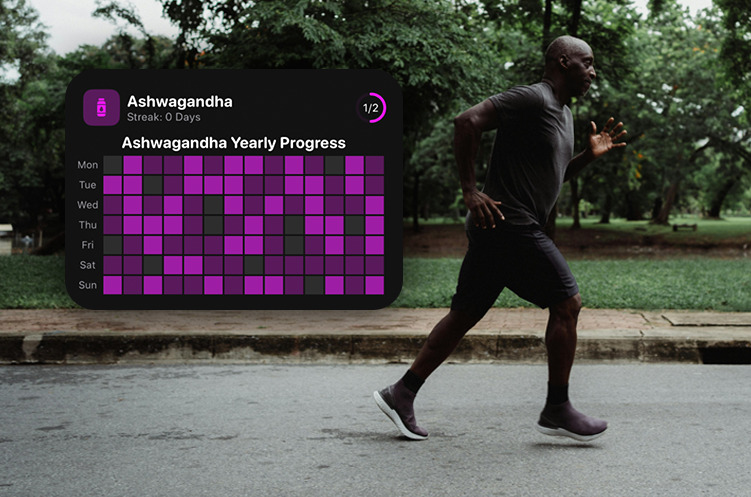
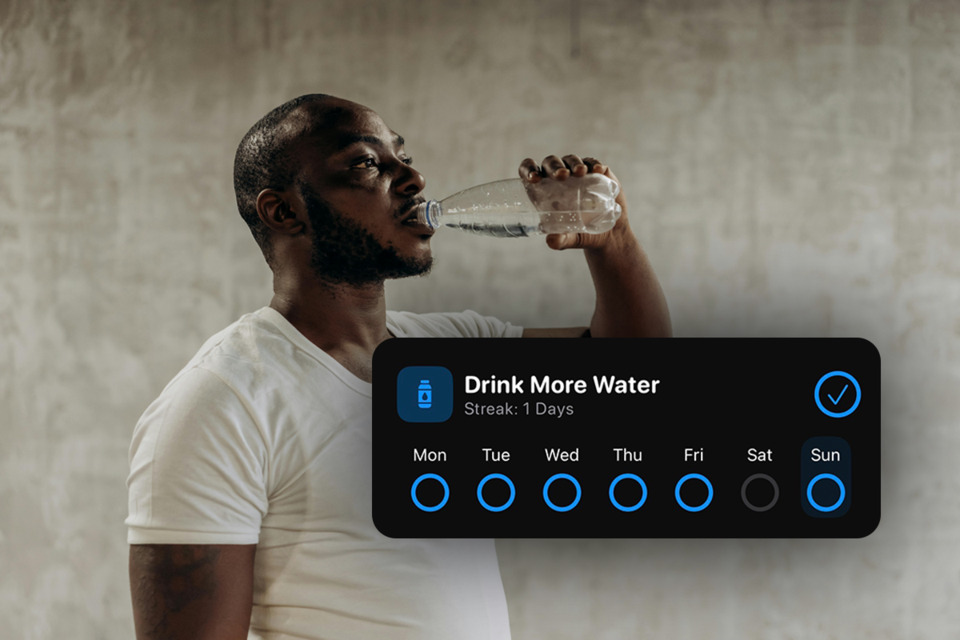
The tracking advantage: One of the most effective things you can do alongside habit stacking is keep a simple daily record of whether the stack fired. Not a lengthy journal entry, just a tick or a note. The act of recording creates a streak. And once a streak exists, the prospect of breaking it becomes a surprisingly strong motivator to keep going. Most people who have tried this say the tracking itself becomes a habit they look forward to.
What Habit Stacking Cannot Do
It is worth being honest about the limits. Habit stacking is a powerful tool for making consistent, repeatable behaviours automatic. It works best for habits that can be slotted into existing routines without major disruption.
It is less effective for large-scale behaviour changes that require sustained attention, significant time blocks, or willpower beyond the initial trigger. Starting a business, training for a marathon, or overhauling your diet are not things you can fully automate with a clever stack. They require deliberate effort and planning that goes beyond trigger-behaviour chains.
Where habit stacking really earns its place is in everything that supports those bigger goals. The daily movement. The consistent sleep schedule. The food logging. The five minutes of planning each morning. The moments of recovery and reflection. These are precisely the kinds of behaviours that disappear under pressure when they rely on willpower, and that stick effortlessly when they are anchored to reliable triggers.
Where to Start Today
Pick one habit you have been meaning to build. Something small. Something you genuinely want, not something you think you should want. Find one thing you already do every day without fail. Write the sentence: After I do [anchor], I will [new habit]. Do it tomorrow. Do it the next day. Do it until it stops feeling like something you have to remember and starts feeling like something you just do.
That transition is the whole game. It is not dramatic or fast. But it is reliable in a way that motivation and willpower never quite are.
Build your streaks with The 1% App
Track your habits, log your stacks, and watch your consistency compound over time. Small daily wins add up to something real.
Download Free →