
Let's Start With the Honest Part
Getting fit is not as complicated as the fitness industry wants you to believe. But it is also not as fast or painless as the transformation adverts suggest. The truth sits somewhere in between, and it is actually pretty encouraging once you understand it.
Here is the core reality: your body responds to the demands you place on it. When you move more, it adapts to support that movement. When you eat in a way that fuels your activity and recovery, you give it the raw materials to change. When you sleep enough, those adaptations actually happen. That is the whole model. Everything else, the specific exercises, the exact foods, the training schedules, is just detail layered on top of three fundamentals.
The problem is that most people never learn the fundamentals. They jump straight to the detail, get overwhelmed, pick the wrong plan for where they actually are, and quit within three weeks. You have probably done this yourself, which is why you are reading this now. That is fine. Most people cycle through this several times before something clicks. The goal of this guide is to make it click a little sooner.
Before anything else: Getting fit does not require a gym membership, a personal trainer, or expensive equipment. Those things can help, but they are tools, not prerequisites. The minimum viable investment is some consistent effort and a basic understanding of what you are doing and why.
The Three Things That Actually Matter
Strip away everything else and fitness comes down to three pillars. You can spend years obsessing over the details, but if any of these three are badly broken, no amount of supplementation, programme switching, or gym gear will save you.
Movement
Exercise creates the physical stress your body needs to adapt, grow stronger, and improve its cardiovascular efficiency. Frequency and consistency matter far more than perfection.
Nutrition
Food is information and fuel. Too much or too little of it gets in the way of every physical goal you have, whether that is losing fat, building muscle, or just having more energy.
Sleep
Fitness adaptations happen during recovery, not during exercise. Poor sleep undermines everything else: hormone balance, appetite regulation, motivation, and physical repair.
Most beginner programmes focus almost exclusively on the movement pillar and ignore the other two. This is a mistake. If you are sleeping five hours a night and eating whatever happens to be nearby, adding three gym sessions per week will produce modest results at best. Address all three and the same three gym sessions produce significantly better outcomes.
Where to Start With Exercise
The most common beginner mistake is starting with too much. Three gym sessions per week that you actually do consistently for twelve weeks will always outperform six sessions per week that you burn out on after three. Start with what you can genuinely sustain, not what you think you should be doing.
If you have never really exercised
Two or three sessions per week is plenty. Each session should last 30 to 45 minutes at the most. You do not need to go to a gym. Bodyweight exercises done at home, a brisk walk that gets your heart rate up, a beginner running programme, or a basic strength routine in a park are all legitimate starting points. The specific activity matters far less than the habit of doing something regularly.
Focus on movements that use multiple muscle groups at once. Squats, push-ups, lunges, rows, and planks cover most of the major movement patterns the human body is designed for. These are not boring fallback options for people who cannot afford a gym. They are genuinely effective exercises that professional athletes include in their training. The difference is simply the load and the intensity.
If you want to start at the gym
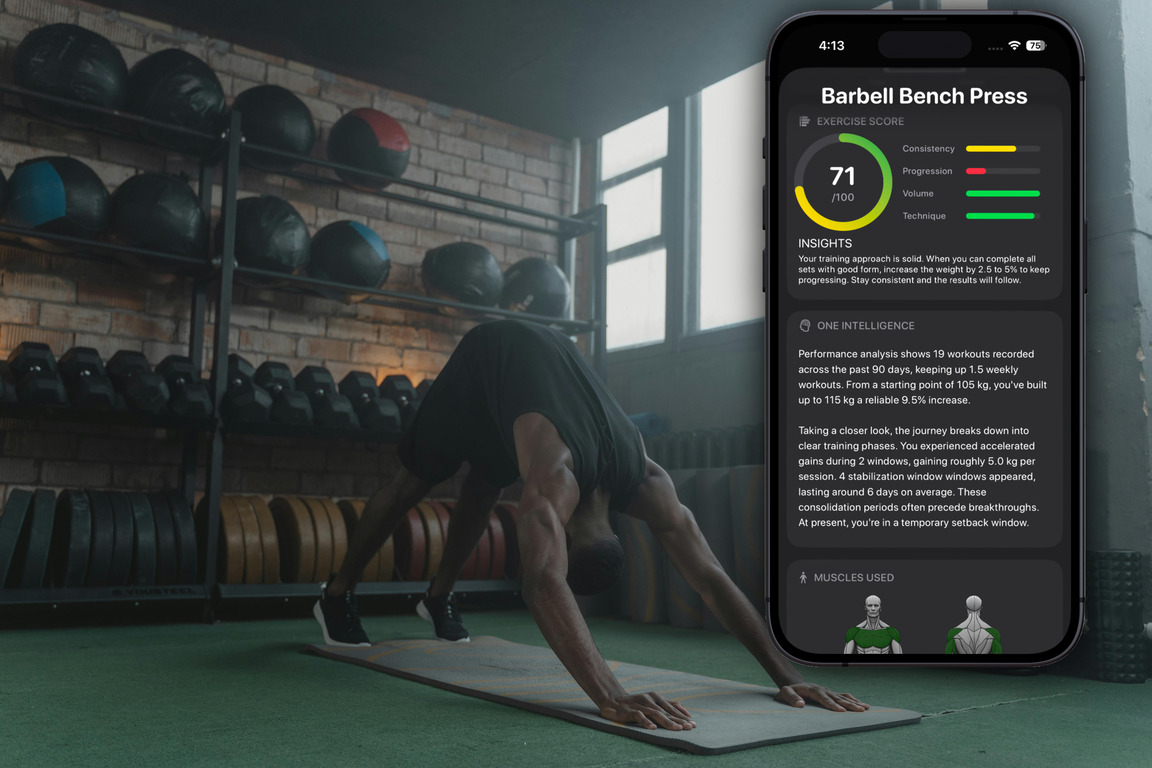
Pick a full-body programme and run it for at least eight weeks before changing anything. A beginner full-body routine built around five or six compound movements, done three times per week with progressive overload, will produce more results in three months than most people achieve in a year of random training. The internet is full of decent beginner programmes: Starting Strength, Greyskull, StrongLifts 5x5, and GZCLP are all well-structured starting points for anyone who wants to get stronger.
Here is the part gyms do not tell you: most of the machines and isolation exercises you see people doing are finishing touches on a foundation that takes years to build. As a beginner, you do not need them. Your priority is the squat rack, the bench press, the pull-up bar, and the cable machine. Master those patterns first.
The best programme is the one you will actually do: If you hate running, do not build a plan around running. If the gym intimidates you, start at home. You can always add complexity and variety later. Right now you just need to move regularly enough that your body has a reason to adapt.
Nutrition: The Simplest Version That Actually Works
Nutrition feels overwhelming because there is so much information, and most of it is trying to sell you something. Here is the version that requires no supplements, no meal plans, and no complicated rules.
Eat mostly whole foods
Whole foods are things that existed before a factory got involved: meat, fish, eggs, vegetables, fruit, whole grains, legumes, nuts. Not exclusively, and not with any religious conviction, but as the majority of what you eat. Ultra-processed foods are engineered specifically to override your natural satiety signals, meaning you eat more of them than you intend to, nearly every time. Reducing how much of your diet comes from these foods is the single most impactful nutritional change most people can make, without counting a single calorie.
Eat enough protein
Protein is the building block of muscle tissue and also the most satiating macronutrient. People who eat adequate protein generally feel fuller, preserve more muscle when losing weight, and recover better from exercise. A reasonable target is around 1.6g per kilogram of bodyweight per day. For a 70kg person that is roughly 112g, which is achievable through chicken breast, eggs, Greek yoghurt, fish, and legumes without needing a single protein supplement.
Do not obsess over the rest
For the first two to three months, that is genuinely it. Eat mostly whole foods, get your protein in, and do not drastically overeat. The more complex nutritional strategies, including specific calorie targets, macro ratios, meal timing, and carbohydrate cycling, are legitimate tools but they are not beginner tools. Trying to implement everything at once is a reliable way to implement nothing at all.
Sleep: The Part Everyone Skips
Most beginner fitness guides spend three paragraphs on sleep and then move on. We are going to spend a bit longer because it is genuinely that important.
During sleep your body releases growth hormone, repairs muscle tissue damaged during exercise, consolidates movement patterns you practised during training, and regulates the appetite hormones (leptin and ghrelin) that determine how hungry and how satisfied you feel the next day. One night of poor sleep raises hunger hormone levels noticeably the following day. A week of consistently getting six hours instead of eight can impair strength performance by a measurable degree.
If you are training hard, eating reasonably well, and still feeling like you are running in sand, sleep is usually the culprit. Seven to nine hours in a cool, dark room with a consistent bedtime makes a difference that no pre-workout supplement or training tweak can replicate. It is also free, which is a point worth making in an industry that will happily charge you for everything else.
Your First Four Weeks: A Realistic Plan
Here is what the first month of getting fit actually looks like when you do it sensibly.
Just show up
Two sessions. Short. Do not worry about weights or intensity. Get familiar with the movements and build the habit of going. Nothing more is required this week.
Add one session
Three sessions this week. Start adding a little more effort to each. Notice what feels uncomfortable and what feels manageable. You are calibrating, not competing.
Make it slightly harder
Add a small amount of weight, an extra rep, or slightly less rest time. The principle of progressive overload starts here. Small increments, consistent application.
Reflect and adjust
Take stock of what is working. Are you sleeping better? Is your energy improving? Adjust what is not working, keep what is, and plan the next four weeks.
The point of this structure is not that it is the perfect training programme. It is that it builds the habit layer before it builds the performance layer. Most beginners skip straight to the performance layer and then wonder why the habit does not stick. The habit comes first. The performance follows.
The Habit Layer: Why Consistency Beats Everything Else
This is worth its own section because it is where most people fail, and it is almost never discussed in fitness content.
Physical results take time. In the first few weeks, your body is adapting neuromuscularly (learning to use its muscles more efficiently) before it starts visibly changing. This means you will feel stronger before you look different. If you are expecting visible changes in two weeks, you will probably quit before anything meaningful happens.
The people who see dramatic long-term results from fitness are not the ones with the best programmes or the most advanced supplements. They are the ones who showed up consistently for years. Boring as that sounds, it is the only durable strategy. A moderately good routine done consistently for six months beats a perfect routine done sporadically for six months, every single time.
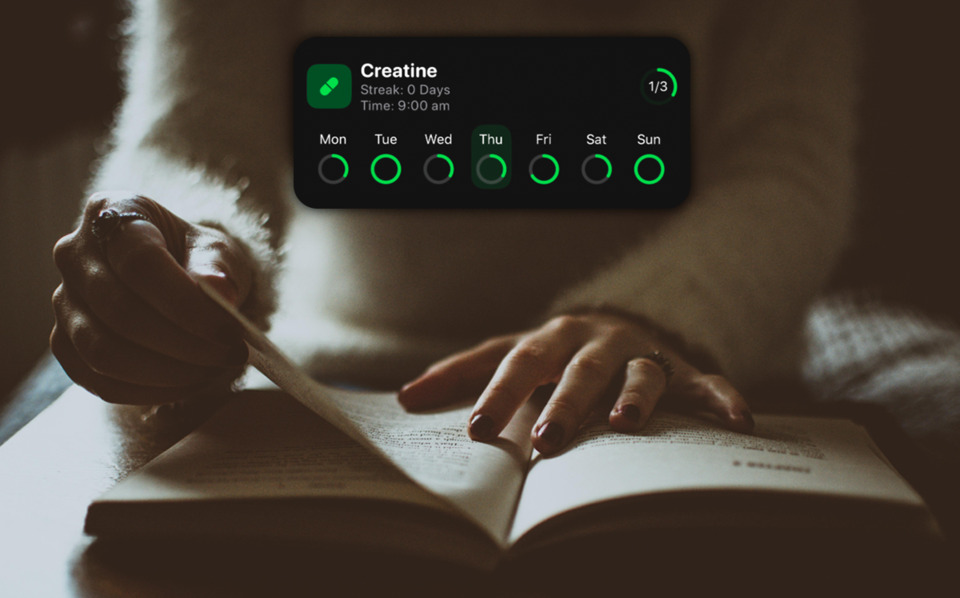
Logging your workouts, even just the basics of what you did and how it felt, creates a paper trail of consistency that is genuinely motivating to look back on. There is something about seeing 18 logged sessions in a row that makes session 19 feel like something worth protecting. Whatever system you use to track this, a notebook, a spreadsheet, an app, use something. The act of recording creates accountability to yourself that nothing external can replicate.
Common Beginner Mistakes (And How to Avoid Them)
Doing too much too soon
Six days per week in your first month is a recipe for burnout or injury. Your connective tissue, joints, and nervous system need time to adapt to training stress. This adaptation takes longer than your cardiovascular fitness improves, which is why people feel fitter faster than they feel structurally ready to handle more load. Start conservatively. The gains are not going anywhere.
Programme hopping
Trying a new programme every two or three weeks because you read something better is one of the most common and most damaging beginner habits. Real adaptation takes six to twelve weeks of consistent stimulus. If you keep changing the stimulus before adaptation is complete, you get the fatigue without the gains. Pick one programme. Run it for eight to twelve weeks minimum. Evaluate then.
Ignoring soreness versus pain
Delayed onset muscle soreness, the ache you feel 24 to 48 hours after a new or intense session, is normal and expected. Sharp pain during a movement, discomfort in a joint, or pain that persists beyond 72 hours is not. Learn to distinguish between training soreness and injury signals. Training through soreness is fine. Training through joint pain tends to turn minor problems into serious ones.
Waiting to feel ready
There is no version of this where you wake up one morning feeling completely ready to start. The readiness comes after you start, not before. Every person who has ever built a body they are proud of started from exactly where you are now: uncertain, probably a bit out of shape, and unsure whether it would actually work. They just started anyway.
The honest timeline: Four weeks and you will feel noticeably better. Eight weeks and others may start to notice a difference. Twelve weeks and you will have built a genuine foundation. One year and you will be genuinely transformed, if you stick with it consistently. There is no shortcut to the one-year mark, but the journey there is well within your reach.
What to Do Starting Today
Not next Monday. Not when you have sorted your diet out. Not when you have bought the right shoes. Today, because every version of "I'll start when" is just delay with better-sounding reasons.
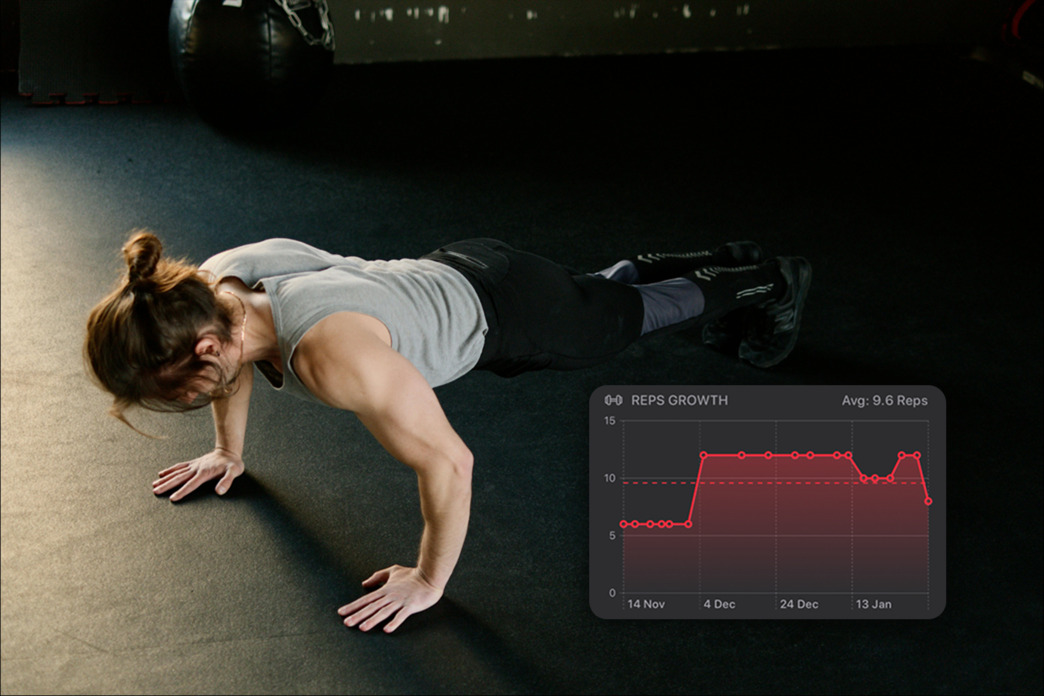
Pick the simplest possible version of movement you can do right now. Go for a 20-minute walk. Do ten push-ups and ten bodyweight squats. Follow along with a beginner YouTube workout. The specific activity is irrelevant. The act of starting is everything.
Then decide on three sessions for this week. Write them down or put them in your calendar. Three sessions, already decided, removes the daily decision of whether to exercise. Decision fatigue is a real obstacle for beginners, and removing it by pre-committing to specific times is one of the highest-leverage habits you can build.
After that first week, reflect on what you actually did versus what you planned. Not to judge yourself, but to gather honest information about what is realistic for your life. Then adjust and plan the next week. That simple loop, plan, do, reflect, adjust, is the entire system. Repeat it for twelve weeks and you will have built something real.
Build the habit with The 1% App
Log your workouts, track your habits, and keep your streak alive. Small improvements every single day add up to extraordinary results over time.
Download Free →